Tag: Trading

  • Finally some Vol in June – portfolio update.

    After a strong rally in S&P500 from April to end of May 2026, June has seen some large moves in both directions, particularly gap ups and gap downs. Moreover, intraday trading range and reversals have been fairly large as well, e.g. 9 June 2026.

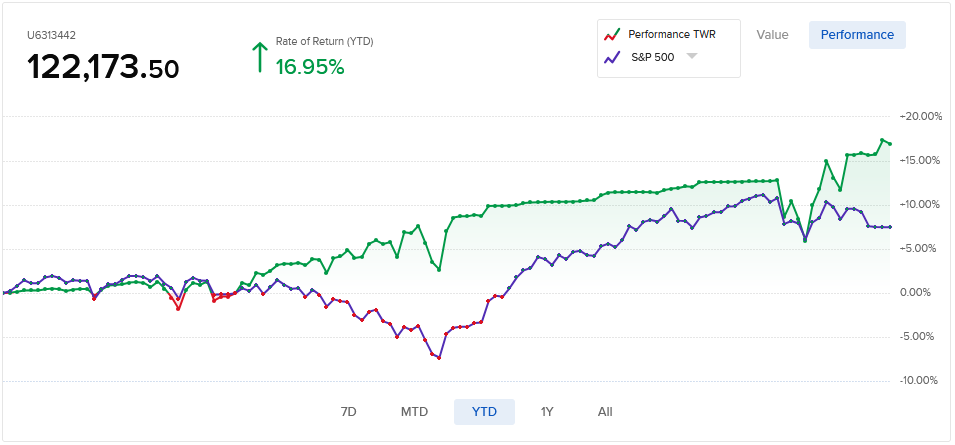
    The equity curve of the portfolio I manage has made new highs after a fairly flat period. I’m such a bad trader when markets rally strongly whereas periods of market pullbacks & high volatility generally tend to be more fruitful for me. I really have to get better at riding the market when it does those persistent grind to higher highs.

    Anyway, just when the market had caught up to my portfolio gains at the end of May, both went down together (I was in a bit too early as usual), however the choppy market provided some good trading opportunities with a high volatility environment and higher premiums to harvest – which helped propel the portfolio to new highs at +17% YTD gains vs the market which is now at about +7% (26 June 2026). With prudent position sizing, delta selection and near term expiration (1-2 weeks), together with tactical profit taking, I managed not only to avoid recent downdowns but to milk out some gains as well.
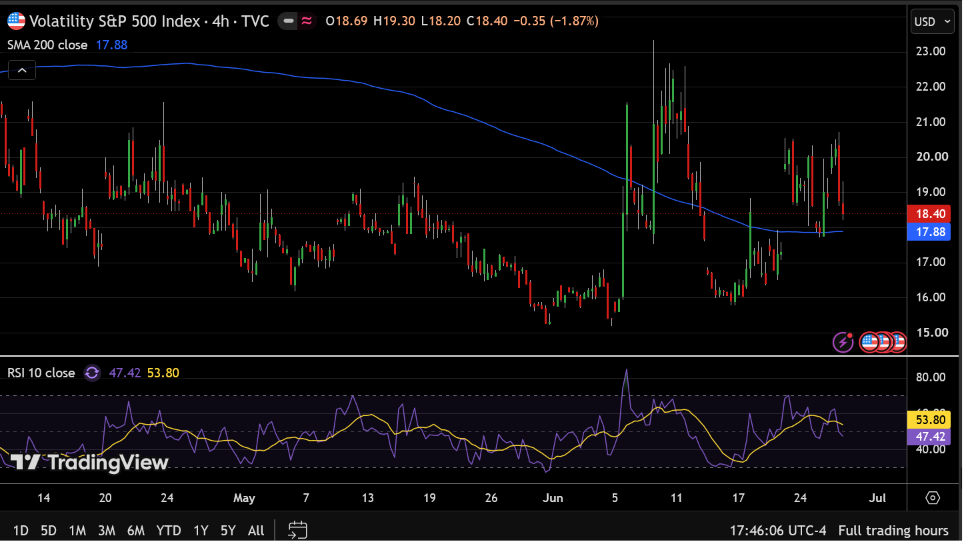
    Vix saw some large % moves, from being around the low 16 mark to crossing over 20 in 2 bars of 4hrs! Note the several clusters of spikes in the 2nd spell at around the 20 mark again.
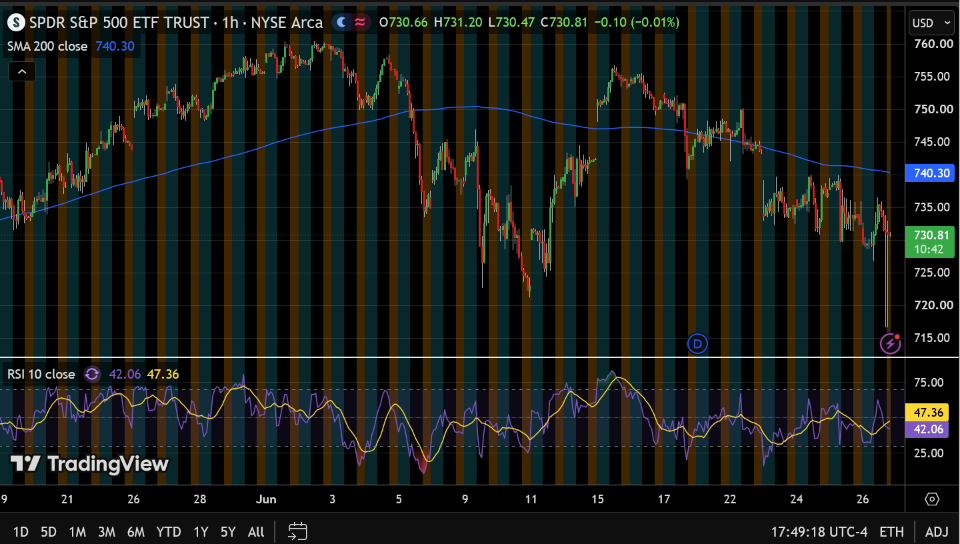
    SPY had some sizable gap ups & gaps downs, and now coiling downwards in a diagonal channel/funnel. Does it breakdown to further lows from here? Would be great if it does so! That would set up for a good move higher in July before reversing again in August perhaps, we’ll see.
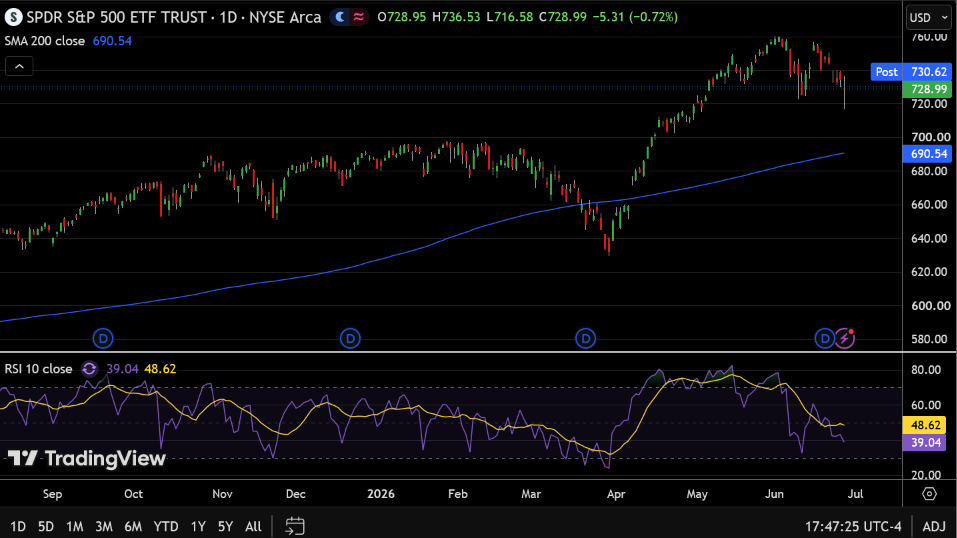
    SPY on the daily – again would be great if the market comes down to the previous highs at around the 700 price level – revert to its mean values of 200day SMA. That should set it up for the next leg higher.
  • Social media ceasefire, VIX and portfolio

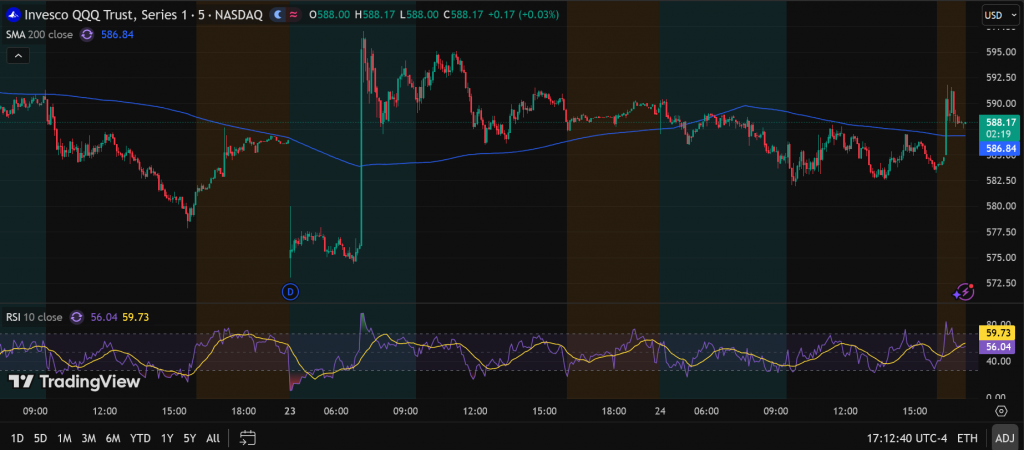
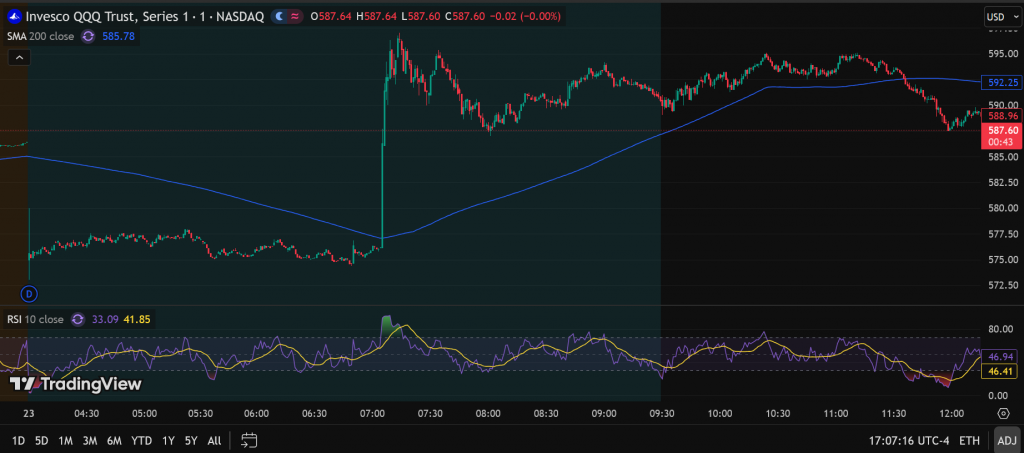
    Some social media posts can meaningfully move the markets, especially when the president of USA publishes a potential ceasefire post. Here’s how the Qs (QQQ) moved on a 1 min time-frame, it was about a +3.5% spike. Most of the move materialized in just 5 price bars of 1-min.

    Same QQQ chart over a 5min time-frame. Nice flagging pattern (digestion) after a large up move.

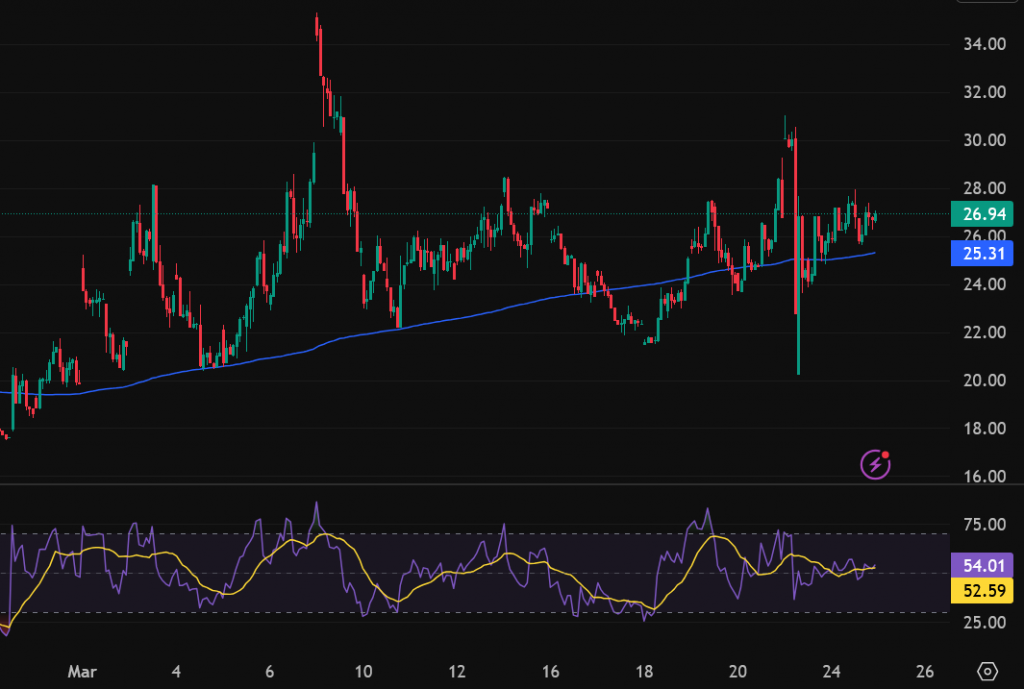
    Prior to the ceasefire post, the markets had gapped down overnight with the VIX hitting 30 on its second spike (first major spike on 9 March overnight with a high of 35, chart below). Reacting to the presidential post, VIX made an intraday low of about 20 (a -32% move) before reversing again in search of some equilibrium in this epic madness.

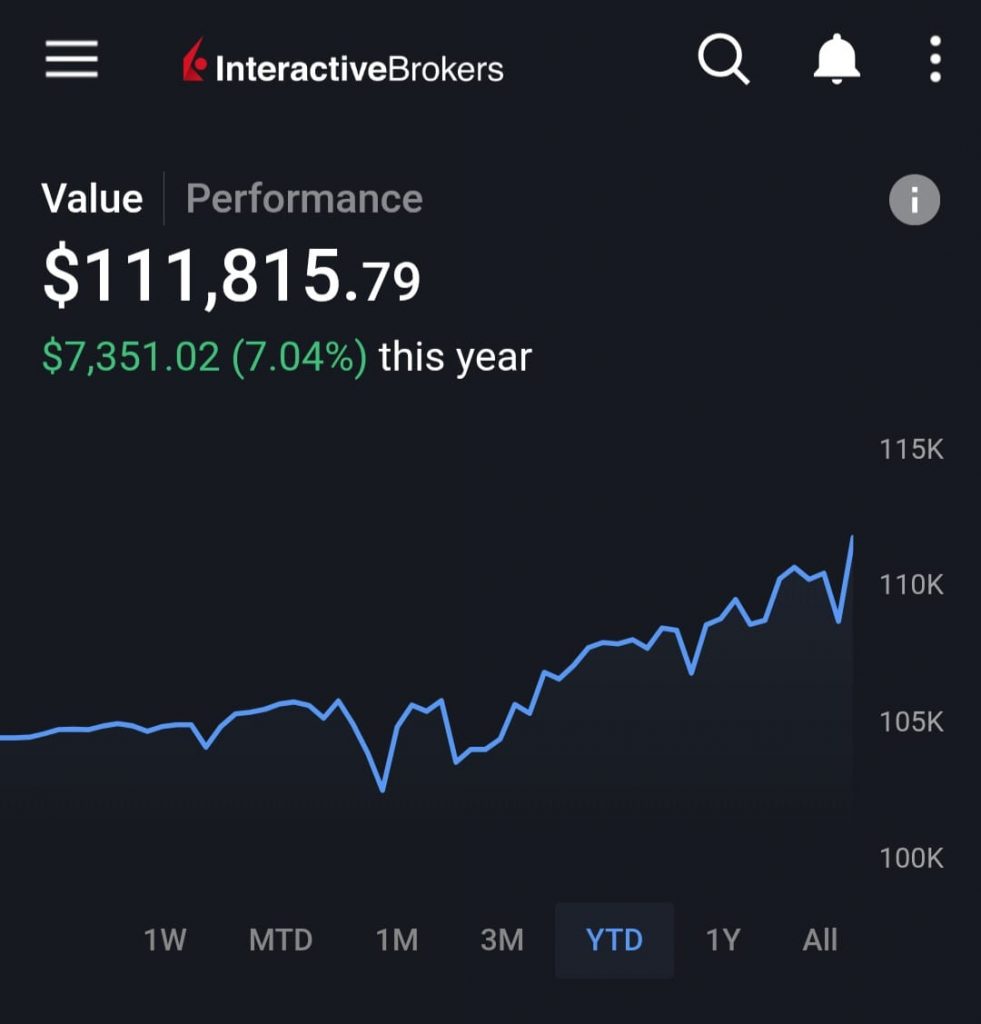
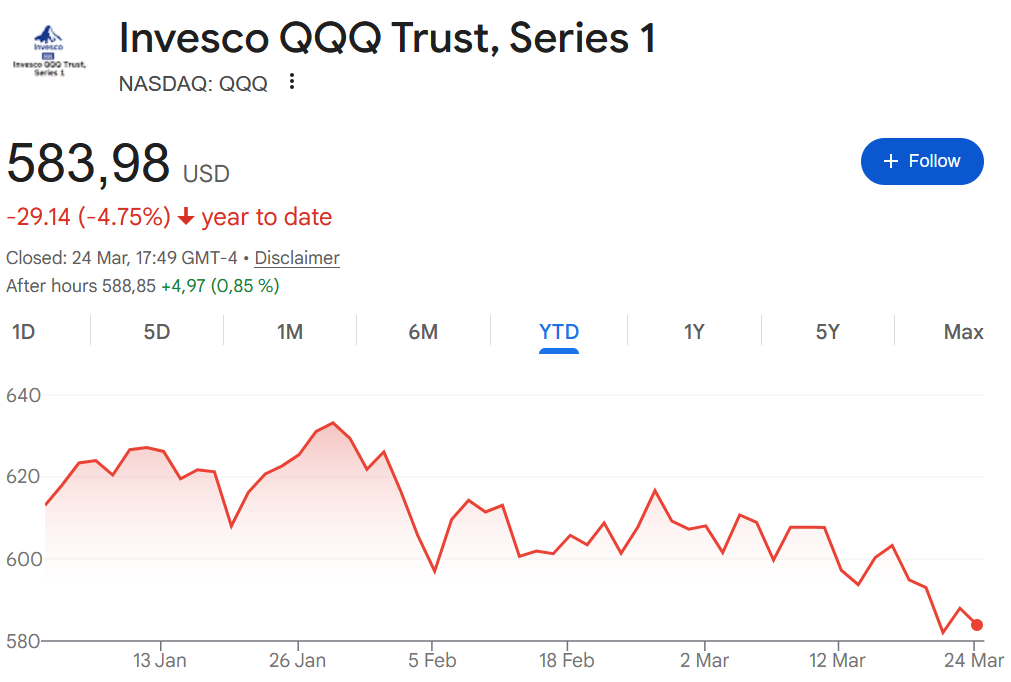
    Given this context of market volatility, the portfolio I manage has remained rather resilient, clocking new YTD highs in equity value (up +7% YTD vs -4.8% QQQ).

    Why is that so? Some observations:

    • Small position size of mainly short puts (high IV helps harvesting of fat option premiums), max commitment of about 50% portfolio cash.
    • Low delta strike selection with weekly or 2 week expirations.
    • Sold stocks (assigned last Friday) in pre-market after the “ceasefire” news broke out, booking tactical gains. This can be attributed to luck.
    • Shorting puts on intraday lows and taking profits on up swings (range bound/flagging market). Tiny day trades on TQQQ.

  • Trading PnL Status

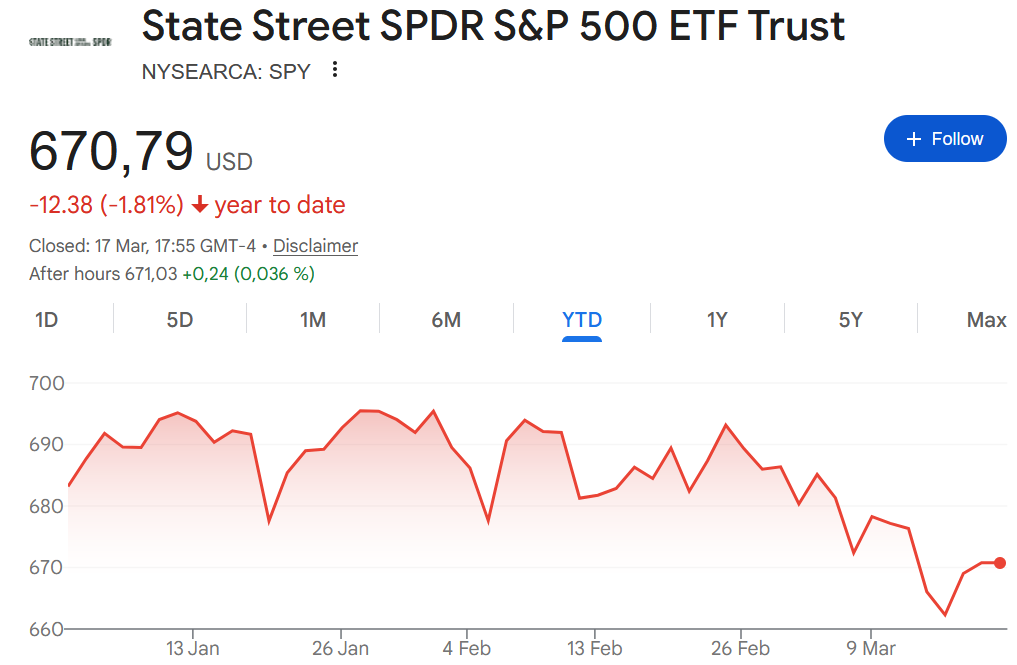
    Today (17 March 2026), S&P500 index continued its bounce from the Friday’s low close. SPY is still down by 1.8% year to date (YTD) as of writing this. The market has been mostly range bound with some recent lows on the back of geopolitical conflict in the middle east, with an immediate affect on energy prices & global shipping.

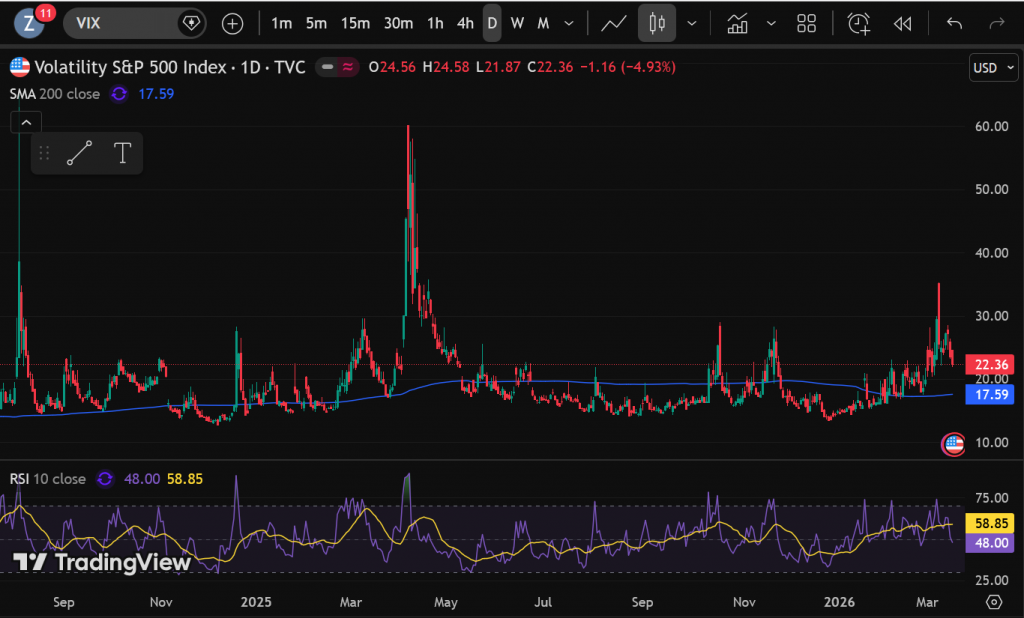
    The Volatility Index (VIX) hit an intraday high of 35 on March 9 before reversing, without any significant second spike so far, and closing around the 22 mark today.

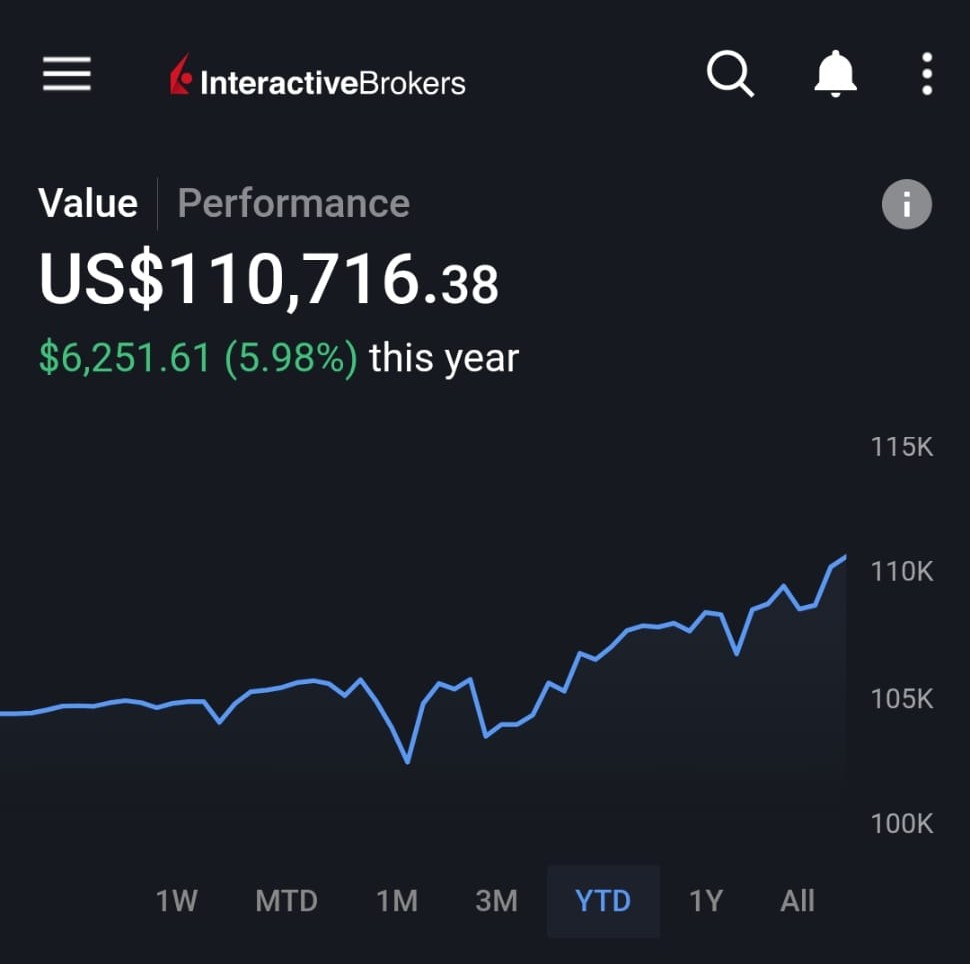
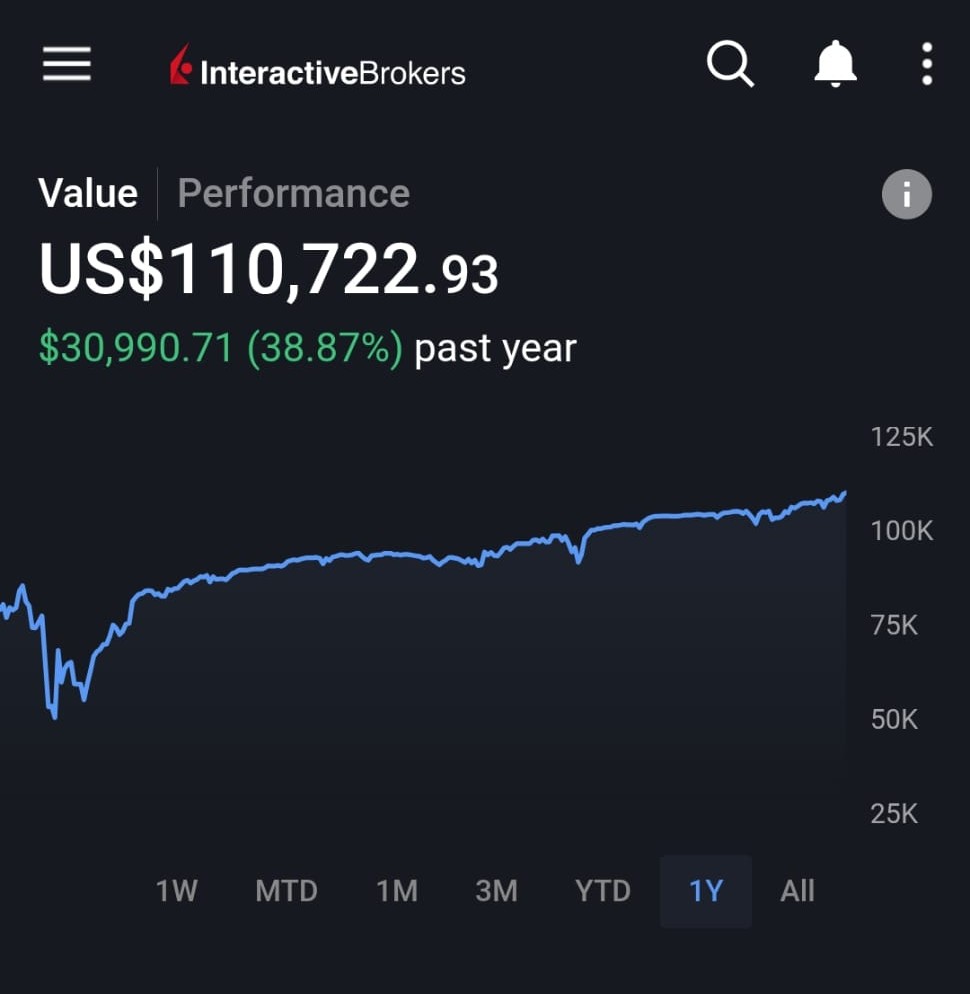
    Given this market context, the portfolio I manage has been ticking higher with close to +6% gains YTD and about +39% gains in the last one year compared to +25% gains in QQQ and +18% in SPY.

    Some potential reasons for the out-performance of the portfolio could be attributed to:

    • Range bound market is conducive to writing/short-selling option contracts.
    • High Implied Volatility means higher option premiums to harvest, particularly shorting puts.
    • Smaller position size with higher delta for strike selection, mostly just 50% portfolio commitment, at max 70%.
    • Trading weekly option expiration, provides highest IV.
    • Diversifying trades across time-frames with tactical profit taking.
    • And perhaps the most important component – luck.

    Once the markets rally with a continued upward trend, the same strategy will underperform the market, hence it is important to adjust the trading strategy according to the market mood.